Album Review: Man Mountain – Threads of Another Life

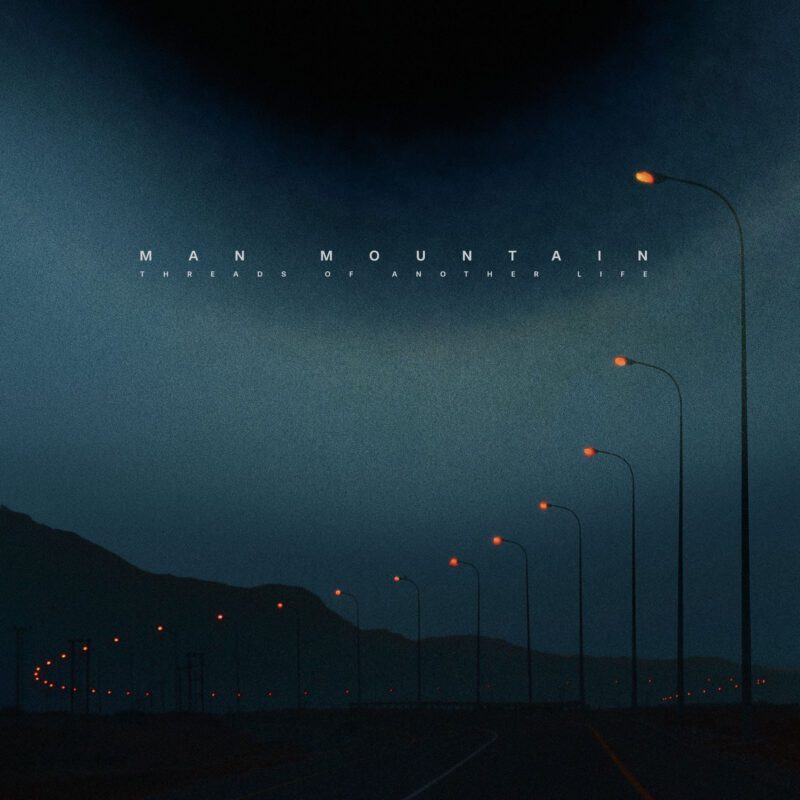
Man Mountain Threads of Another Life album cover
Standard

The main thing that you need to know about Man Mountain is that they are on the lifelong quest for Toan. Toan is everything to them. I spent some time with the guys last July and we stopped in at Sweetwater – the biggest music shop in the world – and spent hours there. All in the pursuit of that sweet, sweet Toan. Jacob (drums) used a different snare on every track on this new album, so clearly he’s on that Toan journey. David (bass) even named his business after it: Detroit Tube & Tone.

Jokes aside, Man Mountain put a lot of energy into meticulously crafting their sound. I said as much when I was reviewing their first album, Infinity Mirror. Things have been pretty quiet for a while. The covid pandemic halted a lot of things, and Man Mountain went to ground, quietly writing and recording when live gigs needed to be paused. That break took a bit longer than they expected, but they’re returning to the stage again and building momentum along with the album rollout.

I’m blessed to be friends with the guys in Man Mountain, and have seen them play a handful of times on the two American tours I’ve done with Ranges (2017, and 2025). Admittedly, I can get pretty moody when on tour (probably when not on tour as well…). The late nights, long drives, lack of personal space and fast food diet all take their toll on the body. And then I was also drinking a fair bit on that first tour as well. But the guys of Man Mountain were never short of super hospitable – very fun, generous and genuine guys. I think Mid-Westerners are known for it. They took me back to Michigan with them for a few days at the end of my American trip last year and that was easily the highlight of my trip. They’re solid dudes with big hearts.

I don’t have synesthesia, but I can’t help but visualise warm yellow light when I picture their music. In 2017 they had a work light rigged up with a foot switch, that they’d stomp on during the big moments of their songs to add visual dynamics to their set. It was simple, but very effective. They had to retire that after too many people complained about being blinded by it, which I find hilarious. I think they had a few stories about how it was enough to blow fuse boards at venues they were playing too, stopping the gig mid-set as all the electricity goes out.

On the 2025 tour, they had beautiful Edison lamps onstage with them, adding a really nice homely feel to their set. And last time I saw them play, at Spacebar in Columbus, OH, the venue had a bunch of Edison bulbs as well. I think that warm glow complements their aesthetic so well. This is the visual I conjure up when I think of them so I’m pleased to see that the album art follows this thinking. The cover features streetlights snaking along a winding road, and one vinyl variant is actual called Streetlight. Clearly the artist derived the same ideas I did from the music, and encapsulated that feeling so well within the art.

Here are photos from the first and last time I saw Man Mountain play, showing those stage lights in action:
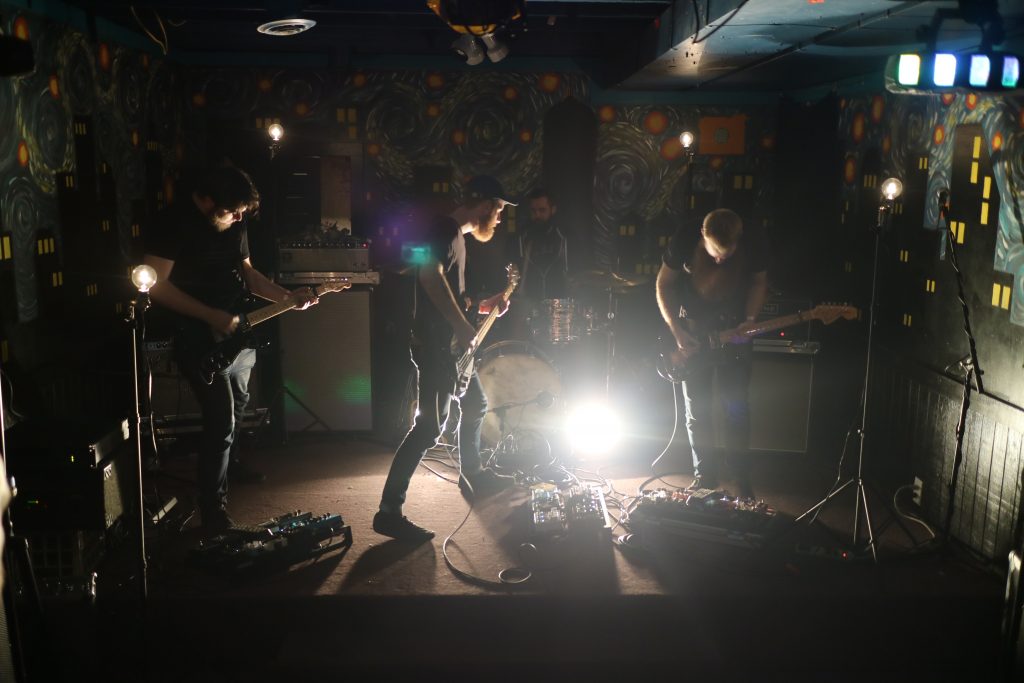
Man Mountain Ypsilanti

Man Mountain at W. Cross Station in Ypsilanti, October 2017
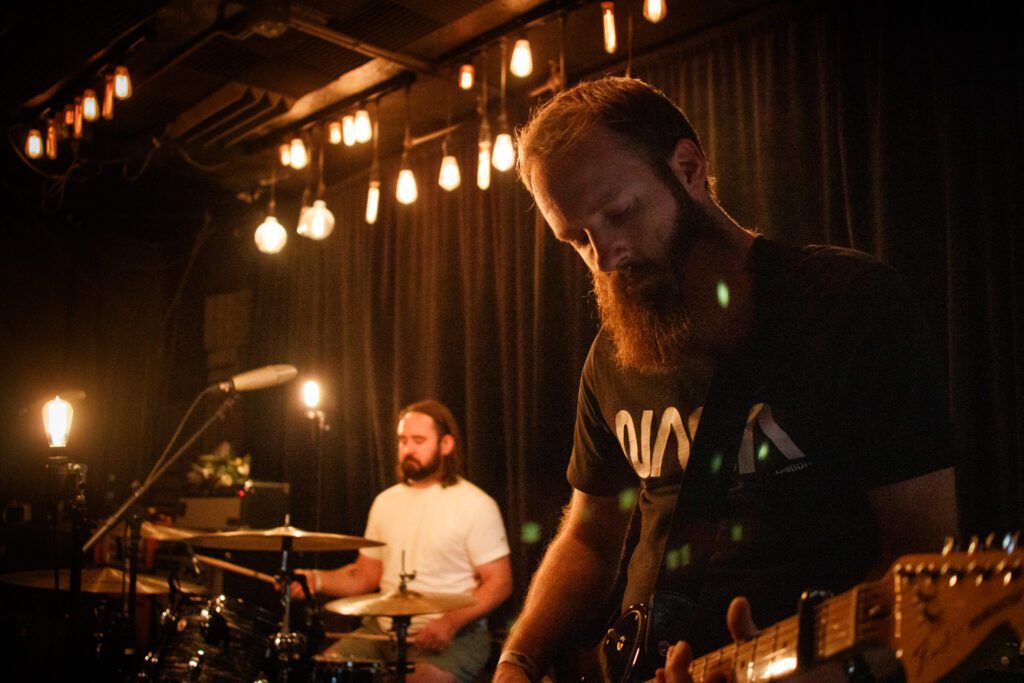
Man Mountain at Spacebar in Columbus, OH, July 2025

I’ve been listening to this album for a year now. Jacob sent me the tracks to listen to well before they’d finalised things like album art. And I’d always derived that feeling of light in the darkness from the music. I’d never actually discussed the themes or inspirations of the album with the guys, but I just read the press release, and it makes total sense.

“While we didn’t start out with a central theme, it quickly became apparent as we assembled the full collection of songs for this album that each track was inspired by a particular stage of the pandemic,” explains guitarist Mike Reaume. “The names were chosen later to hint at the various stages, but it basically follows our journey from the hopeful and inspired beginnings, through the in-between phase where we felt like everything was sort of stuck in a timeless limbo.”

That tracks completely. This music is hopeful, yearning. It’s dreamy. But it’s also rooted in something heavier.

Listening to this album is like swimming. There’s always that touch of weightlessness, like floating in a warm body of water on a nice day. There are times when you think about the unknowable creatures that may lurk in the depths below, and sometimes a small wave may push you around a bit, but for the most part it’s just a wonderfully serene time. 


This may be a redundant statement by virtue of applying to almost all music anyway, but I want to stress that you will be richly rewarded if you listen to Threads of Another Life through quality speakers or headphones. Sometimes I’m just pottering around the house doing chores, and I may have the album playing on a bluetooth speaker and it sounds good. But then plugging it into something a bit better, like the speakers I have hooked up to an amp, really brings the music to life. Jacob and David do a wonderous job of holding down the bottom end, keeping it grounded. And Mike and Bryan bring us to celestial peaks. They really cover the sonic spectrum well. The crisp cymbals, the warm swells, the deep bass – they really come to life with full dynamics. These guys are toanhunters, and you’ve got to respect their quest.

I’ve been listening to this album for a year. Without album art, without knowing the title. Just the music. Great music. And then I finally learnt the the name of the album – Threads of Another Life – and I was surprised to see this fact in the press kit:

The album’s title takes inspiration from The Lord of the Rings, referencing Frodo Baggins’ reflection: “How do you pick up the threads of an old life?”

Then I realise: I have a subtle connection to the album’s title. I was bestowed the nickname Baggins on that first tour – probably because Lord of the Rings was famously filmed in New Zealand. And the album is named after a Baggins quote. Please stop – my ego can only get so big. But jokes aside, the title obviously works, considering how the music is a reflection on how the pandemic altered the world. And I also love that it’s a reference to a fantastical adventure. It seems very fitting.
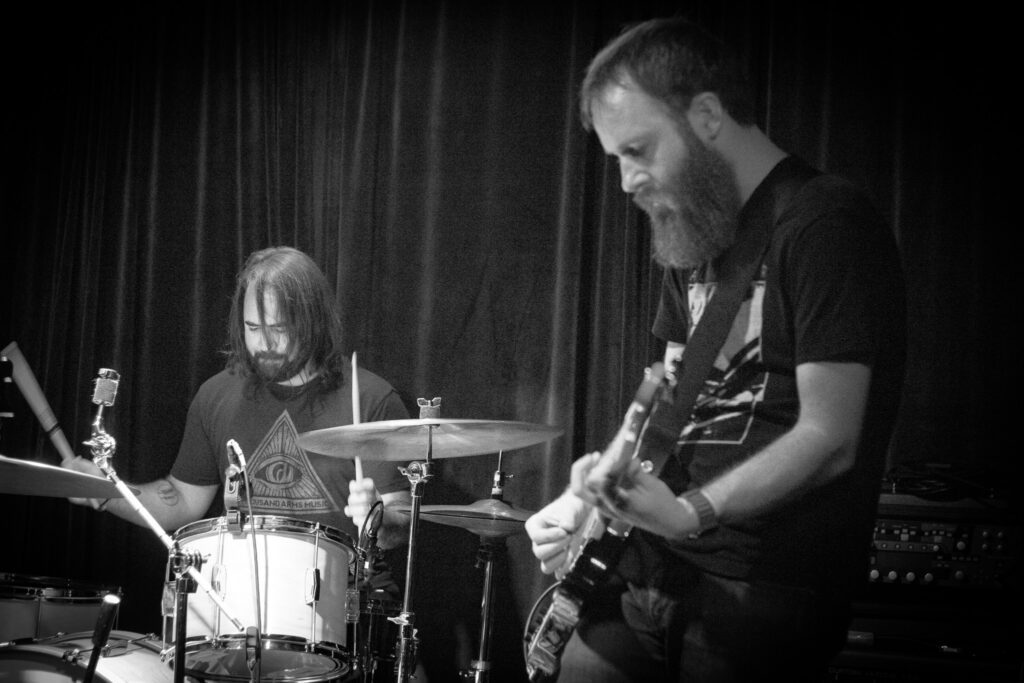
Man Mountain playing Gold Sounds in Brooklyn, NY

Man Mountain playing Gold Sounds in Brooklyn, NY

My bias is clearly showing. These guys are my friends, and I’ve shared some great experiences with them. NZ is such a small country, with a tiny population, that going on tour as a band just isn’t very viable here for the most part. So touring with bands in America always feels like a wild dream, a big adventure. Touring can be incredibly mundane, comprising mostly of long drives and gas stations pit stops. But there was always a sense of surrealism too – even the boring parts were a bit exciting because it’s just so different from New Zealand. We don’t have as many late night pizza joints, that’s for sure! Going through experiences like that can help forge incredibly strong bonds.

I feel a bit silly, reviewing an album without touching on the music much. To me, this album sounds like friendship. It evokes a warm, homely glow; a reassuring light in dark times. This album encapsulates the vibes of midwestern hospitality, of authenticity and integrity. There is true craftmanship in these compositions. It’s a grand, masterful album and I cannot do it justice by trying to describe it. Do yourself a favour and listen to it for yourselves.
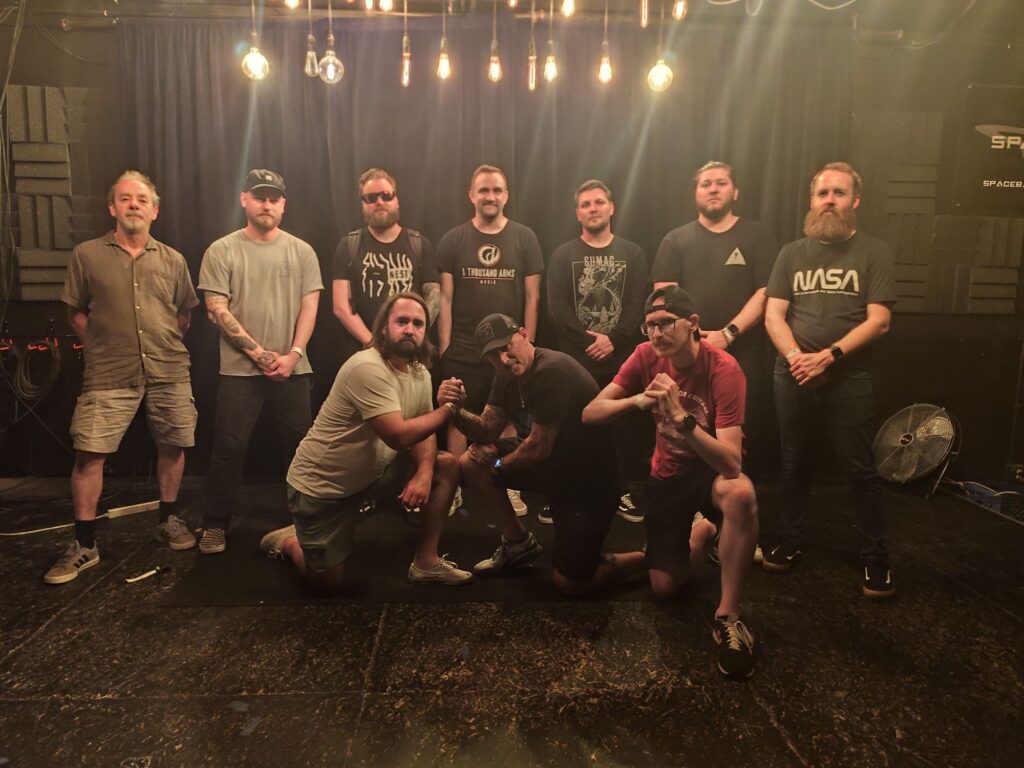
Man Mountain and Ranges USA 2025 tour group. Taken the last night of tour.

Man Mountain links:

Linktree: https://linktr.ee/manmountain

Facebook: https://www.facebook.com/ManMountainMusic/

Instagram: https://www.instagram.com/man_mountain

Bandcamp: https://manmountain.bandcamp.com/album/threads-of-another-life

Spotify: https://open.spotify.com/artist/0uUvYGzaUPfXECtMVvWHxS

Apple music: https://music.apple.com/us/artist/man-mountain/940303802

Threads of Another Life pre-orders:

USA orders through Spartan Records: https://spartanrecords.com/collections/manmountain

UK orders through Devil Dog Distro: https://devildogdistro.com/products/man-mountain-threads-of-another-life-lp?variant=56627910214018

European orders through Thirty Something Records: https://thirtysomethingrecords.com/collections/pre-order/products/man-mountain-threads-of-another-life-lp
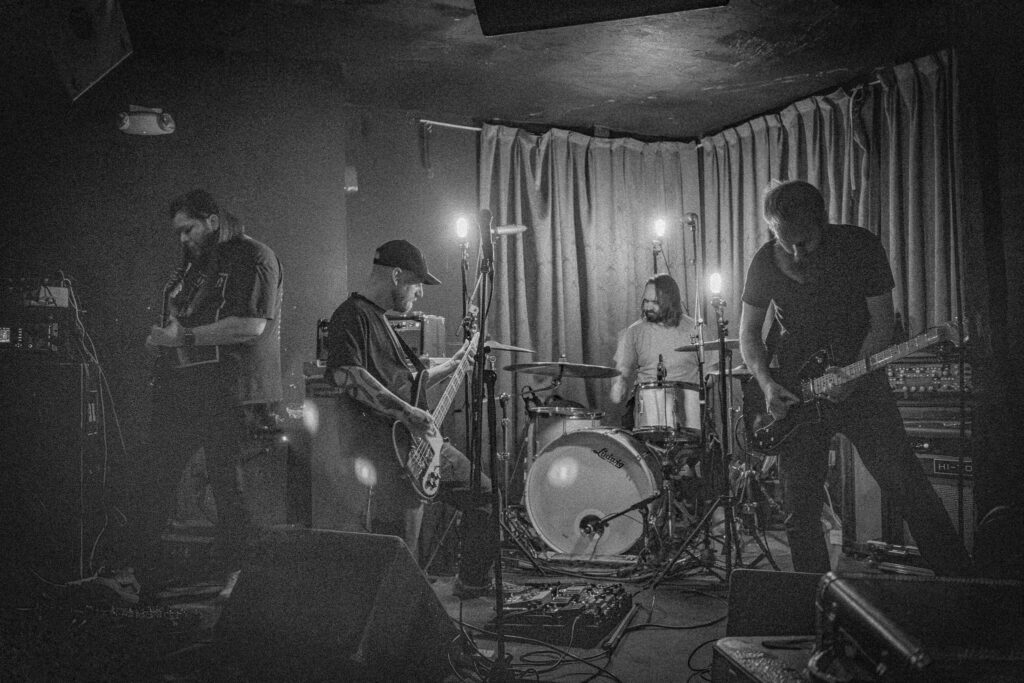
Man Mountain playing O'Briens Pub in Boston

Man Mountain playing O’Briens Pub in Boston

Words and photos by Joseph James
 

Album Review: Blueneck – Moonlighting

Blueneck Moonlighting cover
Standard

I gave Blueneck’s previous album The Outpost a positive review back in 2016. I still listen to it often – usually late at night when I’m in a creative headspace. I’ve eagerly awaited a new album ever since. Turns out the wait was longer than anticipated, but a decade later we get Moonlighting, Blueneck’s seventh album.

Duncan Attwood shared a blog update explaining the delay. They actually started the writing process three months after The Outpost, but the process was marred by setbacks. The covid19 pandemic was predicably a feature. But there were also family emergencies and some serious health issues that set the band back (Duncan had a stroke). And then probably just that trait of perfectionism that so many creatives have. The album sounds magic, so I’d suggest that being so picky paid off. But it can make processes frustratingly slow going.

Coming back to The Outpost, I think my main attraction to that record was how gorgeously moody it feels – almost emotionally desolate. Moonlighting doesn’t feel as somber, but still exists within the same wheelhouse.

Album opener and lead single “Mouth of the Snake” feels slinky, funky. 808 drums interplay with sparse synth bass, presenting us with undeniable groove. But even atop the dancey rhythm, the vocals sound haunting. And if you pay attention to the lyrics, they’re downright venomous. Perhaps this is why the track is entitled as such? It’s an odd disparity of feelings, but it works. The outro passage is reminiscent of Nine Inch Nails – especially some of the borderline-disco sounding songs from the With Teeth album.

Duncan shared a playlist of songs that inspired him whilst writing Moonlighting, and it makes total sense. Take Radiohead for example, they’re a rock band heavy on electronic elements, underwritten with dance drum beats. So many of these bands blend elements of analogue and digital, focus on feel, and are innovative with experimentation.

I did have to laugh at a drum fill heard during “Goliath”. You’ll know the one I’m referencing when you hear it. The start of the song reminds me of Massive Attack’s “Teardrop”, but said drum fill kicks things off and the song transforms into a different beast altogether. Duncan confessed to me that he loved how in my review of his last album, I compared “From Beyond” from to Phil Collins’ “In The Air Tonight” – mostly in terms of feel and song structure. Well the “Goliath” drum fill appears to reference Saint Phil again. It almost feels like an easter egg that Duncan has thrown in for me to find, although obviously that isn’t the case. You’ll also see Genesis’s “Mama” on the influence playlist as well, and there’s no denying that Phil Collins is doing some heavy lifting in the Blueneck Parthenon of great influences.

I’ve been listening to Moonlighting for a few months now. Getting to know these songs is rewarding, often highlighting new elements that I notice upon each listen. The instrumentation is frequently quite dense, but not muddy – full of tightly-packed subtle details.

The fluttering sounds in “Return to Cadiz” – I’m thinking programmed hi-hats? – makes me think of a bug flapping its wings. I’m also intrigued by the bubbling sound threaded throughout. The track has a great bass line later on, almost imperceptible under the commotion and screeching guitar solo, but still present enough to have me bobbing my head.

The insistent, pulsating bassline in the titular track is also fantastic, as is the cutting ride cymbal pattern. This was also lined up to be a single, before the band decided that two singles was enough for the album rollout.

It’s funny, that usually when I’m listening to Blueneck songs, I think about how they are such a masterclass in effective simplicity. And then a few minutes later, I’m wondering how on earth I ever considered the songwriting simple? But then I keep coming back to these thoughts, cycling over and throughout.

A lot of the music starts so sparse, and pregnant with possibility. Songs start bare, a repeated beat, an ostinato that evolves with complexity over time. We witness a masterful play of dynamics as tracks build with nuance. And somehow, over time, songs that started with only the most essential elements, are fully fledged, almost tipping over under the strain of all the chaos.

I’ve always gravitated to Duncan’s vocals. That was what hooked me when I first heard Blueneck, with their song “Man of Lies”. The song offered some great intriguing elements: the swirling keys, ominous basstones, and drumbeat that felt tugged at, dragging underfoot. But it was the vocals that had me paying attention. They’re so emotive, haunting, laden with hurt.

This still rings true in Moonlighting. I love the instrumentation, and how the songs take on such a life with each added part. But it’s the vocals that anchor me to the music and make these songs so compelling.

Blueneck

Comparing Moonlighting to some older Blueneck releases, this feels slightly more rocky and modern. My entry point was the 2014 album, King Nine. Some of their older material felt more ambient, with neo-classical elements. Strings have given way to synths. Moonlighting also doesn’t feel nearly as bleak as their past works. I really love the palpable glow of hope found within “Did You See The Sunrise?”, especially juxtaposed against many of the other more morose songs.

Sometimes the vocals, lyrical themes, and the mood of the music are at odds with each other. A lot of these songs on Moonlighting are incredibly groovy and compelling. But perhaps it is that tension which makes the music so good?

I think it fair to guess that Blueneck already have a decent fanbase. Existing fans will be pleased with this new offering, ten years on. But I daresay that these songs will earn the group more fans as well, especially from the world of post-rock fans.

I hope we will be seeing more from Blueneck in the future, after such a long wait. They last played as a live act at Arctangent 2018, but Duncan said he’d be open to performing again if it was easy enough to organise. The stroke was a major setback, but he’s made a great recovery and is back to being able to sing again, just requiring a few vocal warm up exercises these days.

Blueneck have often released remix projects to accompany their releases, and Duncan didn’t rule it out. I jokingly suggested a Matt Berry cover too, having seen Duncan posting about him on socials lately, and he was all about that idea [Prog Magazine previewed new singles from both Blueneck and Berry in the same article]. So watch this space! I expect more Blueneck output in the near future, and probably within the next decade, this time round.

Moonlighting will be self-released by Blueneck on July 10 2026. They have a limited run of physical media available through their friends at Burning Shed 


Blueneck links:

Website: https://blueneck.music/

Bandcamp: https://blueneckuk.bandcamp.com/album/moonlighting-2

Facebook: https://www.facebook.com/BlueneckUK

Instagram: https://www.instagram.com/blueneckmusic/

YouTube: https://www.youtube.com/BlueneckUK

Soundcloud: https://soundcloud.com/blueneck

Order physical copies of the album from Burning Shed: https://burningshed.com/store/blueneck

Denovali: https://www.denovali.com/blueneck/


Joseph James

EP Review: Masters Of This Land – Self Titled

Masters Of This Land
Standard

Masters Of This Land is a post-rock/electronica duo from Cairo (closely linked to another act Go! Save The Hostages!). The two members, Amir and Youssef use guitar, bass, synth, a drum machine and a sampler to create relaxing downtempo music.

An interesting bent to this band is that they use their music to satirize the Egyptian government, as well as current nationalist movements around the world (Trump and Brexit were two examples that Amir offered). I can’t pretend that I am aware of the current situation in Egypt, but Amir has filled me in on some recent history, mentioning a 2013 Military coup following from rule by a Muslim Brotherhood.

This political theme is surprising. The imagery of aggression and power contrasts sharply against the mild downtempo music.

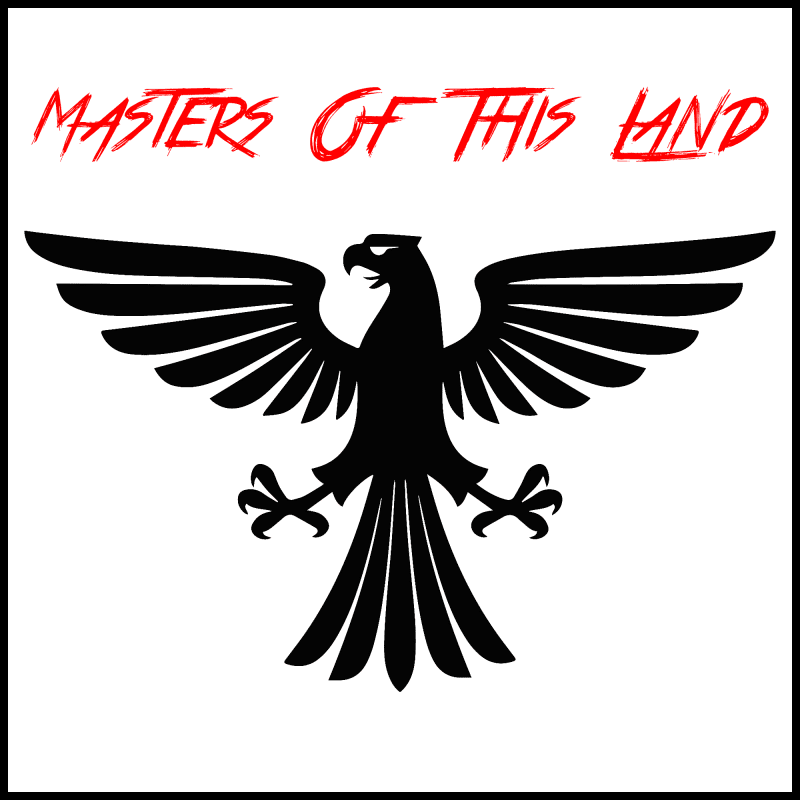
On one hand we see some strong satire of the current regime. The Masters Of This Land eagle symbol found on the album cover is based on the Roman SPQR eagle, a symbol of domination. The EP was released on the anniversary of the Egyptian Revolution of 1952, when the military first took control. Amir shared that the band name was taken from a quote by a recent post-coup Justice Minister who was a former judge. Translated, what he said was that the judges were “masters of this land, and everyone else are slaves” (reference). The band name, symbol and release date are all pointed attacks on the government through ironic mimicry – an answer to the government’s “brain-melting propaganda”, as Amir put it.

One the other hand we have the wonderful music, which doesn’t invoke thoughts of defiance in the slightest.

Tranquil notes play over rigid electronic patterns. Glitchy beats coincide with serene swells. Acoustic and electronic marry and together they create sounds of peace.

Some of the song names are interesting. “C_LORRI”, full of spacey, sci-fi noises, is named after the file name of the first photo of Pluto that the New Horizons probe sent back to earth. “This She-Wolf Is A Gift To My Kinsmen”, with its music box intro, ethereal coos (possibly an e-bow?) clucky synth parts, was the first recorded sentence in (Old) English, written in Anglo-Saxon runes. “Factory 221” was the codename of the area where the Chinese developed atomic weapons in the 50s/60s.

Writing an EP full of relaxing electronic music is an unusual method of protest, but still something I can endorse. I’m a fan of political music, and have always loved the punk ethos of using music as a vehicle to stand up against injustice. And in a weird way it has worked. OK, so this short EP isn’t going to single-handedly overthrow any corrupt governments, but it has at least made me more aware of what is going on in Egypt.

I don’t wish for any of this to be misconstrued as racist. As I said before, I am largely ignorant to the happenings of the various Arab nations throughout recent years. But I do feel compelled to share when I hear stories of rebelling against oppression and injustice.

Politics aside, Masters Of This Land features some great music, perfect for relaxing to. Instrumental projects are open to interpretation, but this one features some fascinating content if you choose to delve deep. If not, never mind, the music stands up on its own as both calming and interesting.


Masters Of This Land links:

Album Review: Tenacious D – Post-Apocalypto

Tenacious D Post-Apocalypto
Standard

Tenacious D have long been a guilty pleasure of mine. They’re misogynistic, juvenile and crude, but at the same time I do find some of their content funny, and they know how to rock. I guess the same could be said about Jack Black, who has had gold moments throughout his acting career (namely School of Rock), but mostly boasts lemons. He’s a slightly more reliable Adam Sandler, but I still have a soft spot for his work.

Post-Apocalypto is their fourth full length album. Like The Pick of Destiny, it is a soundtrack. It follows a YouTube webseries that has played out over the past month, featuring the songs and snippets of dialogue from the show.

Both Black and partner Kyle Gass are comedic actors, so writing funny songs with narrative suit their strengths. I’ve seen them play three times, and although it can feel slightly forced, the story arc that carries through their shows is fun, and allows them to play with theatrical flair.

The narrative for this record doesn’t quite work though. I still enjoy the skits from their first record, which were silly stand-alone pieces. But the skits on this new album are just snippets from the web series used to advance the story. This should help to provide context for those who haven’t watched the series, but there isn’t enough to fill in all the plot points of the story-line. I think they would have been wiser to have an all-or-nothing approach, and should have left the snippets out, instead of sprinkling an inadequate amount throughout.

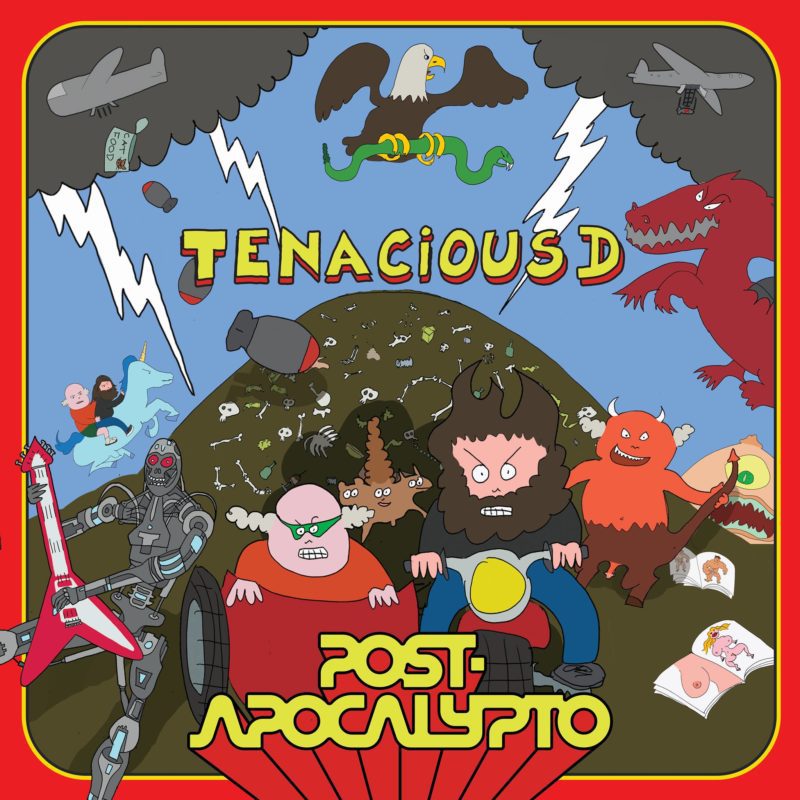
Post-Apocalypto (the web series) was a painful watch. Like I’ve said, I’m a fan, so forced myself through it, but didn’t feel rewarded for my efforts. I hesitate to call it an animation, but more a selection of Black’s hand-drawn stills to give visual reference for the audio. It’s a sci-fi series that explored Tenacious D trying to survive in a (you guessed it) apocalyptic wasteland. Along the way they adopt a three-headed dog, battle genital monsters, fight Nazis and travel to space.

Tenacious D have always been crass, but I was shocked at the many gratuitous sex scenes. But then again, it’s exactly what I should have expected – it was just visual this time. It’s a political show too, with The D taking shots at Trump and Nazis. I guess the timing is appropriate, with approaching elections in America, but only time will tell how fast these political and pop culture references will date the album.

The songs are short. It makes sense, they fit within short episodes. And The D have plenty of short, furious songs with impact. But still, this entire album lasts half an hour, and that’s with skits padding it out. They could have at least fleshed out a few of the songs so that the album lasted longer. The title theme offers plenty of potential for extension, but feels incomplete as is.

And they’ve done their fair share of ballads in the past too, but almost all of the songs on this album are ballads, leaving me wondering what happened to the band that once won a Grammy for “Best Metal Performance”.

It’s not all bad though. Black’s voice acting shines through. You really feel for Terminator’s lament in “Robot” (despite the odd Arnie-esque accent). The redneck Nazi’s sound so thick that you really want to believe that they’re all really that dense.

“Hope” is arguably the best of the ballads, and most rousing. The D explore new musical horizons with “JB JR Rap”, rapped in a hoarse voice and complete with an autotuned section. To be honest, most of the album is Classic D, albeit shorter and less rocking.

The D have a long history with Foo Fighter Dave Grohl. Grohl has drummed on all of their records to date, and the trio have featured in a number of each other’s videos. The first time I saw The D live was opening for Foo Fighters at Western Springs in Auckland, where the crowd jumped up and down enough to trigger minor earthquakes [It sounds absurd, but it’s true!]. Black has also guest starred on one of Grohl’s Probot tracks, “The Warlock“.

As you’d expect, Grohl’s drumming is on point. He’s long been known as a powerhouse drummer since his Nirvana days, and has collaborated with such a range of rock royalty that it has almost become a meme. You can hear unmistakably in the title theme – a rehash of an old unreleased bridge (Rolling Thunder) that the band cut from their song “Rize of the Fenix” (off their last record). “Daddy Ding Dong” also has Grohl written all over it, one of the few stand-out rock of the soundtrack that venture into metal territory, as does “Woman Time”, with awesome Dio-esque vocals.

In short: Post-Apocalypto not a great album. Just as their other soundtrack, Pick of Destiny doesn’t compare well to the other albums, this one feels weak too. It is entirely in keeping with the Tenacious D brand, being puerile and budget, but doesn’t rock enough. Only the most loyal fans will appreciate it, and I doubt even they will revisit it after the initial listens. If you’re interested in it, at least watch the web-series so that you can hear the songs with context. I hope this isn’t the end of The D, but if they do release new music in the future, they’d be best to write without a constraining concept.

Tenacious D links:

Youtube: https://www.youtube.com/user/tenaciousD

Instagram: https://www.instagram.com/tenaciousd/

Website: https://www.tenaciousd.com/

Twitter: https://twitter.com/RealTenaciousD

Facebook: https://www.facebook.com/tenacious/


Album Review: Shihad – Old Gods

Shihad Old Gods
Standard

It’s no secret that I’m a big Shihad fan. I’ve lost track of how many times I’ve seen them play, but the figure is near 20. I’ve got all their albums on CD, as well as bunch of special editions, a live DVD and a handful of EPs and singles. They never quite “cracked America”, but to me, they embody the dream of a NZ rock band who have achieved the dream of making a successful career from their music. They’ve toured the world, shared the stage with rock heavyweights such as Faith No More, AC/DC, Pantera, Motorhead and Black Sabbath; and have just released their tenth album, Old Gods.

The band has changed a lot throughout their 30+ years. Their debut Devolve EP features blistering speed-metal and a Black Sabbath cover. The first time I heard one of the tracks I honestly thought it was a cover of a Metallica song I wasn’t familiar with.

Churn beckoned a more industrial sound, thanks in part to Killing Joke front man Jaz Coleman in the producer’s role. Killjoy was less metal, but still raw and heavy, boasting some of the band’s most enduring riffs.

The self titled record (known by many as the fish album) introduced a more radio-friendly rock which the band honed and perfected with the commercial alt-rock giants The General Electric and Pacifier.

Pacifier was derided by many fans and critics who viewed it as evidence of the the ultimate sin: selling out. I’ll always remember reading a passage written by Grant Smithies, in which he stated he’d prefer to rub himself raw with a cheese grater and throw himself into shark-infested waters than listen to Pacifier. Harsh words, but fantastically evocative writing.

I personally loved Pacifier. I was a teenager obsessed with bands like Linkin Park and Foo Fighters so I couldn’t understand how anyone could find fault with the music.

Love Is The New Hate was considered a penitent return to form, and although much of it was angry, there was a lot of sadness and mellow moments to be found. Beautiful Machine, by comparison, was very much leaning towards the pop side of things. It’s a lot softer, almost 80’s feeling at times. I enjoyed it, but it was more Foo Fighters than AC/DC.

Ignite was the most forgettable album of Shihad’s catalogue. “Sleepeater” was a hit when played live, but the rest of the album seldom gets a mention. When looking at an overall trend, it feels like the quality and “rockiness” of the band’s output had been in decline since the beginning of the 2000’s.

Shihad’s last album FVEY came out in 2014. It’s the first album review I wrote when I started this blog. I raved about the album and how it felt like a return to form with the sheer heaviness of it all. Admittedly, I did tire of it when the new songs featured so heavily during the band’s ensuring tours. It felt a bit too chug-heavy and I wanted more dynamics. But I’ve given the record a few spins recently and I stand by what I wrote seven years ago: it’s a killer album.

The Adults Meow Wellington

The Adults at Meow, Wellington. Image: Will Not Fade

Front man Jon Toogood has a side project called The Adults. Their second album Haja stands among my favourites. I was fortunate enough to catch that iteration of the band at their first show in Wellington, and they even used one of the photos I took to promote that tour [although they didn’t even credit me for my photo, naughty!]

The Adults revealed a different side to Toogood. Stemming from when he married his wife in Sudan, Haja is a feminist pop/hip-hop album featuring contemporary NZ musicians and Sudanese drumming. A real departure from the hard rock of Shihad. And I learnt something else new about Toogood last year that arose from his marriage – he has become a Muslim.

I don’t wish to come from a place of judgement, I think it’s great that he has found a faith. It just came as a surprise. Look at this list of Shihad songs: “Missionary”, “Sport and Religion”, “The Bible and the Gun”, “Waiting Round for God” and “The Prophet”. I don’t claim to understand everything that these songs are about, but they are certainly anti-religion to an extent. And that’s fine that Toogood could write those songs, and then later change his beliefs. People are allowed to change. But I do find it interested that Shihad would name their new album Old Gods after hearing that Toogood has found a faith. To be fair, it sounds like the title track is aimed at those who have traditionally been in positions of power, rather than an attack on any specific religion. But Shihad are still taking potshots at churches, with one song on the album, “The Hill Song” taking aim at a group that shouldn’t be hard to figure out.

FVEY came from a place of unrest. There was never any doubt that the songs were written from a space of defiance against corrupt governments and world powers. I found it really amusing to see that National MP Chris Bishop featured on a podcast about Shihad recently. Bishop is allowed to enjoy whatever music he choses, but I certainly see an irony, considering that Shihad’s last album had songs that were essentially a middle finger directed squarely at his political party.

Old Gods comes from the same space. Sure, world governments have changed over the past seven years, but there’s still a lot to get angry about. If anything, people feel even more oppressed. One big movement from recent years is #blacklivesmatter. The movement sparked international demonstrations against racism and police brutality.

Another occurrence that sparked the rage was in 2019 when a scumbug came from Australia to New Zealand and went on a shooting spree at two mosques in Christchurch. This horrifying event shook us a country and highlighted how New Zealand as a nation is more racist than many would like to admit. Toogood played a number of gigs to raise money to help those affected by the attacks, coming public with his recent conversion to Islam.

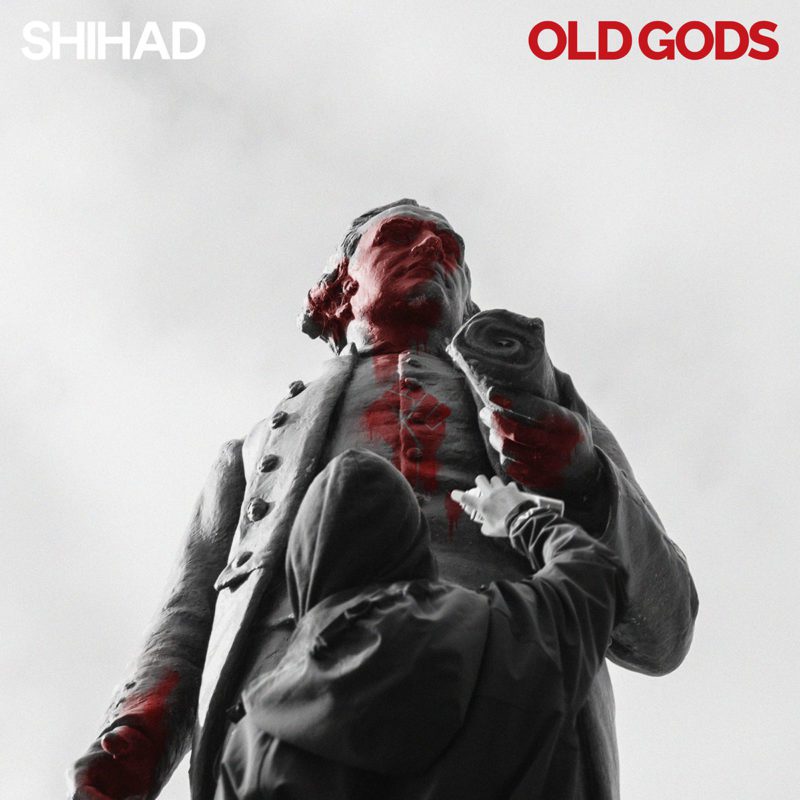
In a recent conversation with Grant Smithies (the same guy who wrote the scathing Pacifier review), Toogood shares how he was watching footage of an English crowd tear down the statue of an historic slave-trader. He wrote a song about it. To quote the interview: “That song is about the fact that many of us aren’t prepared for such people to be portrayed as heroic anymore, especially in the middle of the streets where we live.”

I live in Shihad’s hometown of Wellington, New Zealand, and a lot of streets here are named after wealthy colonials who first settled here. It sounds like a lot of these men were not good people. (Here’s a funny song about Wakefield, by local band Housewitches) I’ve got a magazine sitting on the table in my lounge. The magazine is called Massive – the Massey University student rag – and the main head line of the cover is about how former prime minister William Massey was a racist. They’re outing their own namesake. I think that gives a pretty clear example of how far some elements of society have come. So-called heroes are being scrutinised and some of us have decided that we don’t want to glorify people who were responsible for atrocities.

“Tear Down Those Names” is a thunderous cry to action. Sonically, it’s extremely similar to FVEY, with dense, downturned riffing.

My personal favourite, “Feel the Fire” harkens back to Beautiful Machine, with an synth-drenched uplifting feel. I love it so much. It makes me happy and I can happily play it on repeat. It stands out on an album of heavier tracks. There’s still that omniscient bass tone from Kippenburger, but there’s a lot more treble in the guitars, and the song exudes vibes of hope.

“Empire Falling” is also one of the better tracks, with interesting palm-muted rhythmic strumming and a lighter feeling chorus. It’s about how Toogood is kept awake at night worrying about raising his children in a world dominated by so many bigots.

Maybe I’m being a bit dismissive, but some of the themes in FVEY came across as overly paranoid. Don’t get me wrong, I believe that the government needs to be held to account more than they are. But naming the album after a collection of spy agencies gives of vibes of conspiracy theories. I leveled the same criticism at Killing Joke in my review of their last record. There’s distrusting authority figures and then there’s going full-blown antivaxer. Head too far down the conspiracy route and people just aren’t going to take you seriously.
I’m trying to say is that the themes of Old Gods seem more realistic than they did in FVEY. Complaining about governments spying on us sounds a bit too James Bond-fantasy. But it’s harder to deny racism when we’ve recently witnessed extreme nationalism under Trump, Brexit, #blacklivesmatter, mosque shootings and so on… And I think that makes more sense given Toogood’s personal situation. Toogood has a Sudanese wife and two bi-racial children and now he’s witnessing forms of discrimination such as racism in a different light. Suddenly the message seems a bit more targeted than ‘sticking it to The Man’.

In an 2014 interview with NZ Musician, drummer Tom Larkin discussed the impact of Green Day’s American Idiot, and how it was a vehicle for planting dissenting ideas in the minds of a demographic of Americans who may not have otherwise been questioning the status quo. Lead guitarist Phil Knight namedropped Rage Against the Machine as a big influence on the new album in a Guitar World profile too.
I’m not sure how much I buy into the whole message. I’m not opposed to the message of fighting the bankers and the politicians, but it seems a bit futile. “Eat the Rich” is a great sentiment (Motorhead and Aerosmith both have songs with that name), but not sure it’s so great in practice. Look at America, where the last president organised an attack on his own government. Nothing appeared to changed for the better or worse.

Voting doesn’t appear to make much of a difference – neither of the two big political parties in NZ appear interested in making changes to improve the lives of their citizens. And governments have refused to acknowledge what the people have voted for in a majority of the referendums we’ve had over the past few decades. Maybe I’m just cynical. Maybe we need more bands like Shihad spreading the fire of discontent so that the population don’t become as jaded as I am.

Final verdict?

I went through Shihad’s albums earlier and explained how the band have continually evolved throughout the years, changing their sound as they progressed. Each record had a unique sound. This has earned them accusations of selling out every step of the way, but it has also meant that they’ve never felt stale.

Interesting then, that after their longest break between releases, Shihad haven’t altered their sound. In many ways, Old Gods feels like an updated version of FVEY. I’d argue that the topics seem more relevant with this album, but the sound and themes are very similar. The gang vocals outro of “Kill! These! Old! Gods!” may as well take the place of the “GCSB!” cry from the previous album.

Remember how I said I got a bit tired of FVEY being so chug-heavy? It does feel a bit more like more of the same. It’s weird, I would have found the premise of an album’s worth of “My Mind Sedate” very exciting as a teen. But I’ve since learnt that too much heavy riffing gets old. Variety and dynamics go a long way. Old Gods is a good record, but could use a few more tracks like “Feel the Fire” .

I’ve got a ticket to see Shihad play next month. It was originally going to be in November but had to be postposed. I just hope that the concert actually takes place, because I could sure use something to make me feel amped up for once.

Joseph James