Buried Treasure: Probot – I am the Warlock (hidden track)

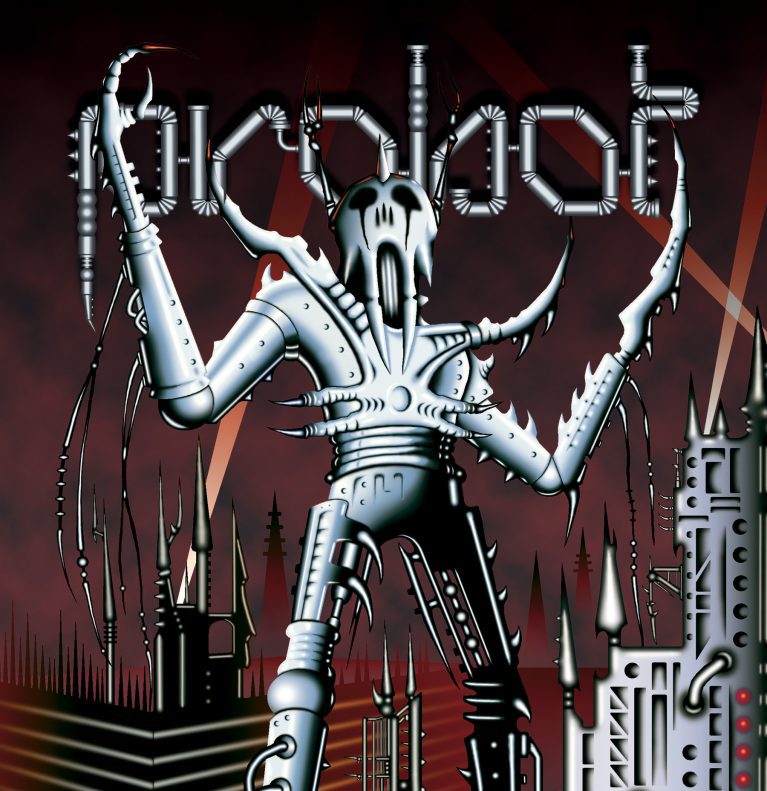
Probot Album Cover Warlock
Standard
Buried Treasure is a semi-regular feature that explores some hidden musical gems – the rare and forgotten B-sides, covers, hidden tracks, live versions and alternative takes that deserve some recognition.

Probot – I Am The Warlock

The big single from the Probot album was the track ‘Shake Your Blood’, featuring Lemmy from Motorhead. The first time I’d ever heard the track was when Lemmy came onstage to guest on the song on the Foo Fighters Hyde Park DVD. I hadn’t heard of Probot at the time so I was confused about why I couldn’t recognise the song. I had every Foo Fighters album, so why didn’t I know this song?

After some further research I learnt about the Probot album, one of Dave Grohl’s  many, many side projects. The basic premise behind the album is that Grohl had written a bunch of material that was too heavy for Foo Fighters, so he decided to make a dedicated heavy album featuring frontmen from some of his favourite metal and hardcore bands.  Because if you’re rich and famous and bored, why not make a metal album of with the most influential singers of your childhood?

In many ways, this paved the path for later Foo Fighters releases like Sound City and Sonic Highways, both of which featured guest musicians heavily.

The Buried Treasure from this album is the hidden track ‘I am the Warlock’, featuring Jack Black. It’s the last song on the album, playing after four minutes of silence after the final listed track ‘Sweet Dreams’. It’s funny because even though I know that the song is coming, it always gives me a fright when it starts.

Black and Grohl are long time collaborators. Grohl drummed on Tenacious D’s studio albums, and Grohl and Black have featured extensively in each other’s music videos. Tenacious D also opened for Foo Fighters when they set off earthquakes in 2012 at Western Springs.

‘I Am The Warlock’ is predictably juvenile, like almost anything that Black touches, but hey, it’s metal, so not worth taking too seriously anyway. If you can get past the crass content, the sludgy metal is pretty cool.

During the bridge you can hear weird whispers that remind me of something you’d hear in a horror movie (maybe something like Deathgasm?).Grohl has done this another time. The bridge in ‘Everlong’ by the Foo Fighters features three unidentifiable recordings played over each other.

It’s no secret that Black has musical skills. School of Rock was brilliant, and having seen him front Tenacious D in both rock and acoustic settings, I can confirm that he’s very talented. It seems a shame that he chooses to make such a joke out of the music he creates, but at least it’s fun.

Joseph James

EP Review: Oscillate – Skepticism

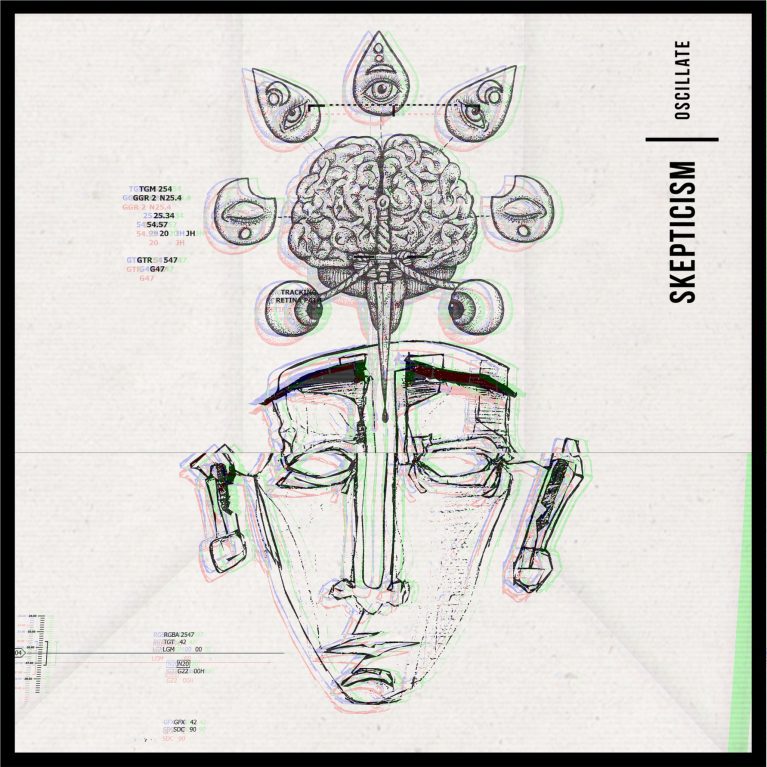
Oscillate cover
Standard

I first met Conor Coleman – the man behind Oscillate –  when he was drumming for now-defunct local band As Legends Rise. We had a lot in common: we’re both drummers, we both work in teaching roles, and we have some similar tastes in music. I remember one time we were at a Datsuns gig at San Fran and he got concussed somehow. I was pretty worried for him, but in typical Conor style he just laughed it off.

Conor was at my flat getting a home-job tattoo from my flatmate (he got two: a bear on his chest, and a zombie skull on his shoulder) when he introduced me to djent – technical metal with focus on angular syncopated riffs. When he asked me to check out one of his side projects I expected something along those lines, something heavy and influenced by bands like Periphery and The Contortionist.

And it is. Music that Conor has released under the guise of Oscillate is undeniably djent-y. But I was impressed that the music is also far more multifaceted than that.

Most of it is tight and technical progressive metal with complex rhythms. But there are some more tender moments as well. I love the twinkling piano parts in ‘Skepticism’. ‘I Slept Through The Noise…’ has some enormous sounding ephemeral interludes. ‘And I Dreamt’ is a brilliant dreamy track with an electric drumbeat reminiscent of triphop music like Massive Attack. It has tender piano and reverberating guitar that makes you forget that you were listening to articulate metal riffing a minute beforehand.

I asked Conor about a sample of Tommy Lee Jones talking in the film No Country for Old Men. He told me that he chose it in part because he loved the movie, and because it explored how he felt at the time of recording, seemingly stuck with limited options forward. Themes of existentialism and inevitability run throughout the EP, like the musical equivalent of The Matrix (not that there are any lyrics to show this).

Cloudkicker is the most similar act that I can think of – a one-man post-metal project. Other similar sounding bands include Northlane, Dumbsaint and Russian Circles. That’s no small achievement for a 21-year-old solo musician. Conor has proven himself as more than just a metal drummer. This Oscillate EP shows off his skills as a multi-instrumentalist and composer, and reveals great potential for more to come.

Links:    Bandcamp     Facebook

Film Review: Deathgasm

Deathgasm
Standard


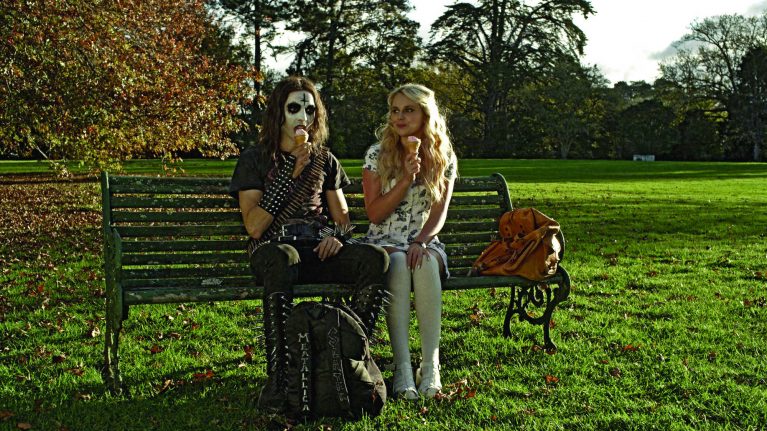
One of the more prominent scenes in Deathgasm involves a fight scene between the protagonists and a couple who are possessed by demons. Loud metal music (Beastwars and 8 Foot Sativa) plays in the background and our heroes need to resort to using sex toys as weapons to defend themselves against their attackers.

This is probably enough information for you to decide whether Deathgasm will suit your taste or not.

The film begins with lead character Brodie moving to a small backwater town to after his mum was institutionalised due to a wild meth-fueled bender. His relatives don’t approve of his bogan music tastes, and he and his friends are ruthlessly picked on by his cousin, the school bully.

After a run in with an infamous long-lost frontman of a metal band he adores, Brodie acquires sheet music that summons a demon when it is played – think the musical equivalent of Evil Dead’s Book of the Dead. And of course, once this happens Brodie and his bogan buddies need to figure out a way to fight what they’ve unleashed.

Black Sabbath, the original metal pioneers, invented their new sound after inspiration from watching horror movies, so it’s only natural that the horror and metal genres marry so perfectly. And New Zealand is such a bogan nation that it’s impossible not to relate to the humour of it all. Tenacious D’s The Pick of Destiny, or the Bill and Ted movies are similar in some ways, but Deathgasm manages to do funny without being as lame. Ridiculous, sure, but not desperate.

It’s the realism that is key here. Lei Howden admits that most of the characters – awkward, violent, heavy metal loving youths – are based on himself in some way or another. They’re crass, but they’re also believable.

Mind you, this is only the characters. The guy who loves his Holden more than his friends is believable. The nerds who play role-playing games during lunch are believable. They’re funny, too. But it’s the insanely unbelievable splatter and gore that pushes the humour to the next level, like in Peter Jackson’s early films Braindead and Bad Taste.

Blood and guts and chainsaws and axes all feature by the bucketful. Lei Howden’s background is in visual effects so expect plenty of gratuitous fluids onscreen. The combination of horror and comedy can be pretty risky, but producer Ant Timpson was at the helm, and the end result works brilliantly, like other films he’s worked on such as Housebound and another current NZIFF film Turbo Kid.

Your mum will probably hate this film. But then again, she probably hates heavy metal too. And isn’t that half the point of listening to it?

Deathgasm is an extremely inappropriate assault on the senses. But if you enjoy over-the-top horror films and identify as a metal head then I doubt you’ll mind.


Joseph James


Album Review: Declaration AD – Sometimes It’s Us

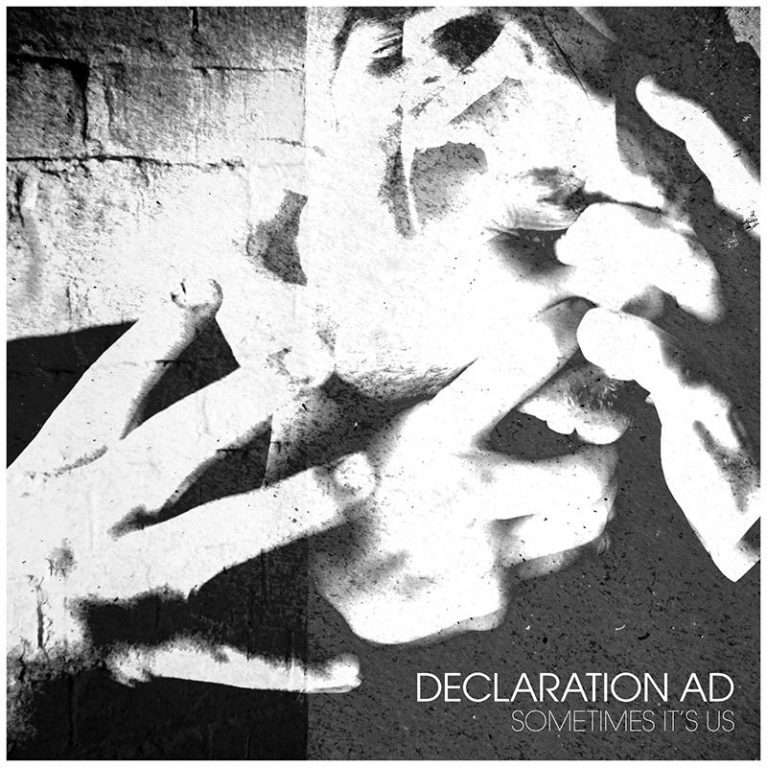
Declaration AD Sometimes It's Us
Standard

I need to admit something before I start. I consider the boys in Declaration AD some of my closest friends. I even lived with a few of them for a few years. And frontman Sam Coates designed the WNF logo for this site. This review cannot be impartial.

I’m pretty sure that I’ve attended more of their shows than anyone else. I was their first show back in 2010, at the now defunct Happy Bar. I tagged along on their first tour. I helped them print their first lot of t-shirts, and I loaned them my lungs when they recorded the gang vocals for their first two releases. I’ve watched them grow and evolve into who they are now. Obviously this is going to be a biased review, but it’s a two-way thing. My familiarity with the band also means I can give an insider’s perspective.


Declaration AD formed in Wellington late in 2009. The Wellington hardcore scene was in a re-building stage at that point, after some of the previous bands who had carried the torch had either broken up, or were in the process of doing so. We would have to road-trip up to Palmy if we wanted to attend hardcore shows.

I still remember the first one they took me to: The Chase on their final tour (I was honestly terrified. It was my first experience seeing people throwing down like they do, and I kept getting hit by backswings.One girl standing next to Kirk got knocked out).

Declaration AD would play shows with pretty odd lineups, simply because that was the only option – there were no other hardcore bands in Wellington to play with. It worked alright when they played alongside punk and metalcore bands, but often they’d play with indie bands, powermetal acts… anyone who was willing to have them on the bill. Last year they even opened for internet sensation rapper Bangs.

Over time the boys have helped to revive the Wellington hardcore scene through constant touring and inspiring friends to start their own bands. They would befriend bands in Auckland, Hamilton, Tauranga and Palmy, and then invite them to play shows in Wellington. Our flat was known as The 44 (short for “44 hardcore”) – named after the street number. As Wellington hosts, we’d let visiting bands stay over, crammed into our limited floor space and draped over couches. It was pretty common to have the entire place filled with sweaty sleeping bodies after a show.

The hard work led to success. Declaration AD have shared the stage with heavyweight local acts like Saving Grace and Antagonist AD, as well as international artists such as Terror, Trapped Under Ice and Sleeping Giant. They released two EP’s and a full length album over this period.

Sometimes It’s Us is Declaration AD’s most recent offering, the first that they’ve recorded in a professional capacity. Previously they’ve had help from friends with recording gear, but this time the band saved up to pay for time at a proper studio.


The album begins with static and tuning, like the faux-radio intro to Queens of the Stoneage’s Songs For The Deaf. It kicks off with the furious ‘Spent’, the grooviest track Declaration AD have written in ages. And it’s from this first song that the new dynamics start to pop up. Kirk Hodgson’s guitar playing is eerie and high pitched at times, unlike the usual chugged open chords. And during the bridge vocalist Sam Coates’ delivery is almost spoken word.

There are two key aspects that make Sometime’s It’s Us standout: the energy and the use of dynamics. These songs are heavy. They’re fast and angry. Listen to the blistering ‘Enfleshed’ and you’ll see what I mean. But they’re also well written. There’s the cut outs in ‘Mental Hell’ and ‘Belonging’ that add impact. The different styles of vocal delivery. The changes of pace, the guest spots from other vocalists, and the use of powerful gang vocals. All these elements are used to make the songs more interesting.

One of my favorites, ‘Mental Hell’, is frantic and speed driven, with a doomy break down juxtaposed against the breakneck beat. Towards the end it sounds like Sam is shouting through a megaphone. I also really like ‘Picket Sings & Protest Lines’ because of the enormous sounding gang vocals.

In fact the entire album is pretty relentless. ’04-14′ steps it down a notch for some slow burning self-examination, but on the whole there is a lot of aggression coming through.


Perennial crowd favourite ‘Better Man’ features in its third incarnation. ‘Better Man’ first featured on the NZ Hardcore Compilation CD in 2010. I remember the Declaration boys being so excited during the lead up to the compilation release; recording their first song and featuring alongside some of their heroes. The recording session didn’t go as ideally as hoped though, leaving them slightly disappointed with the end result. Their next attempt was with début EP MMX later that year. Again, they realised that this recording lark was harder than they’d initially thought, leaving them despondent about another recording that didn’t really capture the sound that they had wanted. So they’ve decided to test the idiom “third time lucky” with their first professional recording, and give ‘Better Man’ another go.

I’m reminded of how Anberlin re-recorded their song ‘Feelgood Drag’ as a single, three years after they’d first released it. The song became their breakthrough hit. The re-recorded version sounds darker and edgier. But I prefer the original version that I grew up listening to, simply because it’s more familiar. In the same sense, this newer recording of ‘Better Man’ may be better, but it will take me some time to get used to. Naturally, the song has evolved over time, as the lads have learned to play their instruments better and gel as a band. One of the more noticeable aspects is that vocalist Sam Coates is no longer at the forefront, but sounds somewhat distant in the mix. And the gang vocals are more prominent, as is the case in their usual live setting. Long story short: ‘Better Man’ has finally been given the treatment it deserves. Few people actually have a copy of either of the first two versions, so it’s only right that the band’s most enduring song get’s proper recognition.

Image: Grace Gemuhluoglu

L-R: Dan Drower (bass), Kirk Hodgson (guitar), Sam Coates (vocals and Dave Morrison (drums).    Image: Grace Gemuhluoglu

The stark images throughout the album depict anguish, loss, anger and pain, but the overall there is a theme of hope. There are personal issues laid bare, and although this makes Sam the lyricist vulnerable, it makes him all the more relatable as well. Many of the songs explore identity – who we are, how we act, what makes us feel validated, what we stand for. During the contemplative ’04-14′ he shouts “my flaws are too real to deny”. I’m sure that none of us can deny that we have similar battles. Words have always been Sam’s gift. He’s a genuine, unassuming guy who can brighten anyone’s day with an affirmation. He writes with conviction and shouts with such power that he has always stood out as great frontman.

Sometimes It’s Us showcases improved musicianship from the band. I love how Kirk uses treble to bring balance to the sound – an oft neglected aspect of “heavy” music, with its frequent drop-tuning and distortion. His sound has changed, with a very metal tone, tight riffs and plenty of pinch harmonics and Dimebag-styled squeals. Drummer Dave Morrison has really stepped up this time round, going for the no-fills approach. His efficient style gives the music momentum without over-complicating things. And the times that he does include an aspect like a fill or something flashy, they stand out. And bassist Dan Drower always was known for his musical abilities, and finally gets to cement his role in the band by recording new material, after having joined the band early in 2013.

Sometimes It’s Us is a big improvement for Declaration AD, showing how far they’ve come during the three years since their last release. It’s furious and focused while at the same economic and efficient. They’ve put planning into the song writing and recording that has led to tighter and more dynamic sounding songs. This is easily the longest release, lasting almost half an hour, but it’s also one of their best.

… And it’s also their last. After roughly six years, they’ve decided to call it a day.

I was there at the start, and now I can say I was there until the end. When the Declaration boys look back over their time as a band there will be no shortage of achievements to reflect on. They’ve survived a few line-up changes and left a legacy to be proud of. It’s bittersweet that this album features some of their best work, but they won’t be around much longer to celebrate it.


Declaration AD:      Facebook        Twitter       Instagram        Bandcamp


Joseph James

Album Review: Faith No More – Sol Invictus

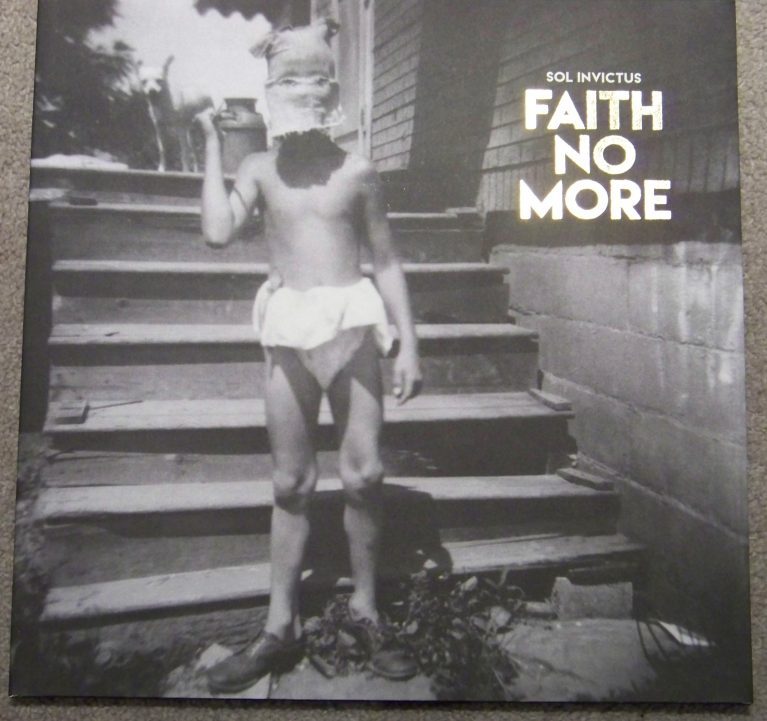
Faith No More Sol Invictus vinyl album cover
Standard


Faith No More are an anomaly.

Sure, they’re a rock band. But they’re also more then that.

They can funk it up like the Chili Peppers, or skank it up like the Wailers. They’re so odd and avant-garde that one never quite knows what to expect. Little wonder, then, that they inspired a wave of bands that collectively spawned the nu-metal genre.

You are as likely to hear them covering Lionel Richie on an easy listening radio station, as covering Black Sabbath on a hard rock station. And when I saw them play at Westfest back in March they closed their set with a Bee Gees cover.

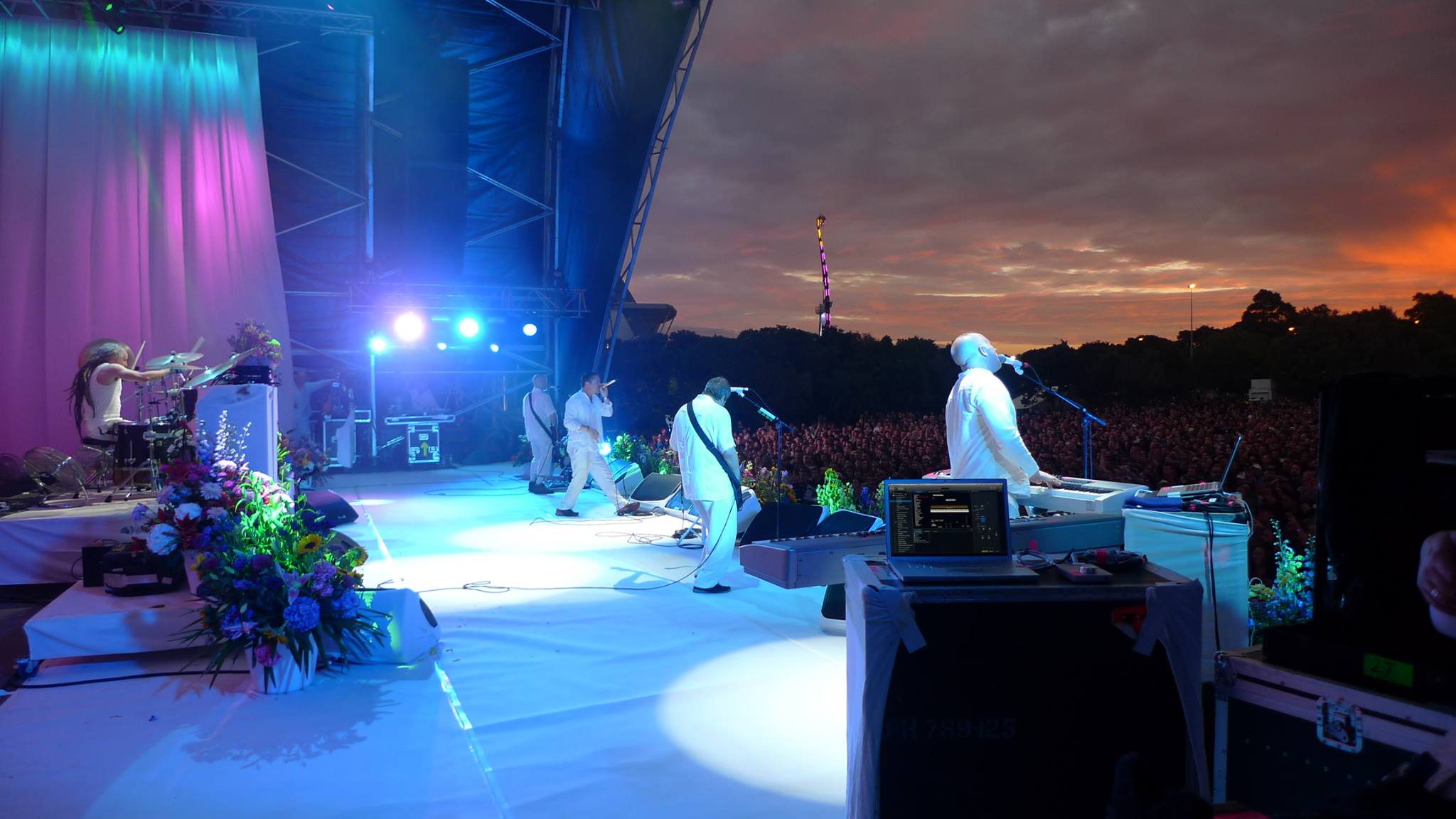
That set was great. The band exhibited their bizarre humour by wearing a uniform of white linen, with a white backdrop behind them and hundreds of bouquets of flowers carefully arranged onstage. And as great as it was to hear all the old classics, the songs from the then-unreleased Sol Invictus still stood out as strong enough to slot in among the other songs.

Faith No More playing at Westfest in Auckland. Photo taken from Faith No More's Facebook page

Faith No More playing at Westfest in Auckland.
Photo taken from Faith No More’s Facebook page

It can be scary for fans when bands reform. Will they live up to the standard of their glory days? or are they has-beens who have decided to give it another go for the money? After seeing them play earlier this year, I could tell that Faith No More thankfully still have the goods.

They’re hardly covering new territory with Sol Invictus. It’s merely a continuation of Album Of The Year. This is surprising in some ways, considering that almost 17 years have passed since AOTY, so you could be forgiven for assuming that their sound would change over such a long period. Take Blink 182, for the sake of comparison. Their Neighborhoods  album that the released shortly after they reunited didn’t sound like old Blink 182, it sounded like Angels and Airwaves and +44, projects that the respective members had worked on during their split. The band members hadn’t stayed stagnant, so their musical styles had developed over time. Likewise, the FNM members have kept busy during their time apart – working on side projects, touring with other bands, scoring movies and starting record labels – but this doesn’t seem to have affected their sound and style.

‘Motherfucker’ was a bold choice for the first single – unlikely to garner much radio play because of the swearing, but provocative enough to cause publicity buzz elsewhere. However, second single, ‘Superhero’, wasn’t anti-commercial like the first, with the first preview initially being hosted on the Marvel website. Obviously Marvel are synonymous with superheroes (after which the song is named), but they are also the ruling kings of Hollywood, (along with Disney).

These two tracks were good choices as singles though. They, along with ‘Matador’, are the standout songs on the album.

‘Motherfucker’ is built upon a repeated drumbeat and chanting. Mike Patton’s soaring vocals cuts over the mantra. It’s so silly, but contagious. Its sinister, but ridiculous enough that it can’t be taken too seriously.

Likewise ‘Superhero’ seems cartoonish with its “HEY, hey, HEY, hey” like the “Gabba gabba hey” part from the Ramones ‘Pinhead’, but then ominous enough to stay grounded.

Patton sings, screams, shouts, growls, whispers and croons. His voice really is an instrument, with a reported six octave range. He uses different types of microphones and effects just as a guitarist uses pedals to change-up the sound.

Refusing to be pigeonholed, Sol Invictus sounds diverse yet familiar. It’s uncommon enough to have rock music led by piano and not guitar, but FNM have deliberately cultivated their own recognisable sound. Part operatic, part spaghetti western, with plenty of avant-garde and slick, dark rock to boot. There are definite nods to earlier albums, almost to the point that the album seems too same-y, but at 40 minutes long, the album is too short for repetitions to bore.

Trying to analyse it too hard is futile to attempt. I’m sure that there is some social commentary going on somewhere, but I couldn’t specify what exactly. The whole thing feels like a big in-joke from the band. Is this a magnum opus that they are proud of, or a social experiment to see what they can pass off as art to sell to the mindless masses?

Sol Invictus has grown on me with each listen. It’s weird, slightly unhinged rock music played by talented musicians. It’s the same Faith No More, just as they left off. If you’re a fan, then you’ll know what to expect, and you’ll probably like listening to more of the same. I wouldn’t call Sol Invictus vital, but it’s certainly not a disappointment.

Joseph James